Creating a Pollinator-Friendly Garden in Kansas City

Transforming a simple backyard into a bustling habitat for pollinators not only brings a touch of natural beauty to urban settings but also plays a crucial role in maintaining the health of our ecosystem. Homeowners in Kansas City have a unique opportunity to contribute to conservation efforts by cultivating gardens that welcome these vital creatures. Let's explore the steps to establish a garden that thrives and helps pollinators flourish.


Understanding Pollinators

Pollinators come in many forms: bees, butterflies, moths, beetles, birds, and even bats are instrumental in the process of pollination. These creatures transfer pollen from one flower to another, facilitating plant reproduction and ensuring the diversity of our natural food sources. Despite their crucial role, many pollinator species are facing threats and declining numbers. By creating a pollinator-friendly environment, gardeners can support these essential members of our ecosystems.


Choosing the Right Plants


Native Plants for Kansas City

Native plants are the cornerstone of a pollinator-friendly garden. They are adapted to the local climate and soil conditions, require less maintenance, and typically align better with the needs of native pollinators. Some excellent choices for Kansas City gardens include:

  • Purple Coneflower (Echinacea purpurea)
  • Black-eyed Susan (Rudbeckia hirta)
  • Blazing Star (Liatris spicata)
  • Wild Bergamot (Monarda fistulosa)


Flowers that Attract Specific Pollinators

Each pollinator has its preferences, so variety is key. For instance, tubular flowers attract hummingbirds, while brightly colored blooms with open petals are beacons for butterflies. Try planting:

  • Sunflowers (Helianthus annuus) for bees
  • Butterfly Weed (Asclepias tuberosa) for monarch butterflies


Providing Shelter and Water


Creating Habitats for Pollinators

Just as we need homes, so do pollinators. Elements like brush piles, bee hotels, and nesting boxes can offer shelter for various species. Conserving areas of bare ground and decaying logs can also support solitary bees and beetles.


Incorporating Water Sources

A simple birdbath or a shallow dish of water can provide a vital resource. Ensure that any water sources have landing spots for small insects to prevent drowning.


Avoiding Harmful Practices


Reducing Pesticide Use

Chemicals used to target pests can also harm beneficial insects. Explore organic pest control methods and only use pesticides as a last resort, closely following the instructions to minimize impact.


Sustainable Gardening Techniques

Practice crop rotation, composting, and mulching to enrich soil, reduce waste, and decrease the need for chemical fertilizers, which can disrupt pollinator habitats.


Maintaining Your Garden


Seasonal Care Tips

Adjust your efforts with the changing seasons. Spring is a time for planting and cleaning out old nests, while Autumn is for preparing the garden for winter dormancy and providing food sources for overwintering species.


Monitoring Pollinator Activity

Keep an eye on which plants attract pollinators and when they are most active. This observation can guide future gardening choices and practices.


Conclusion

A flourishing pollinator garden is a testament to the harmony that can be achieved between urban living and nature's workings. Beyond the environmental benefits, these spaces invite a sense of wonder and tranquility into our lives. So why not take the first step? Plant a seed for the future—both for the pollinators and the next generation of Kansas City gardeners eager to make a difference right in their backyards. Together, we can create a mosaic of micro-habitats that contribute to the health and beauty of our planet. Also, we are local so give us a call and we would love to help you get started! 816-516-2633
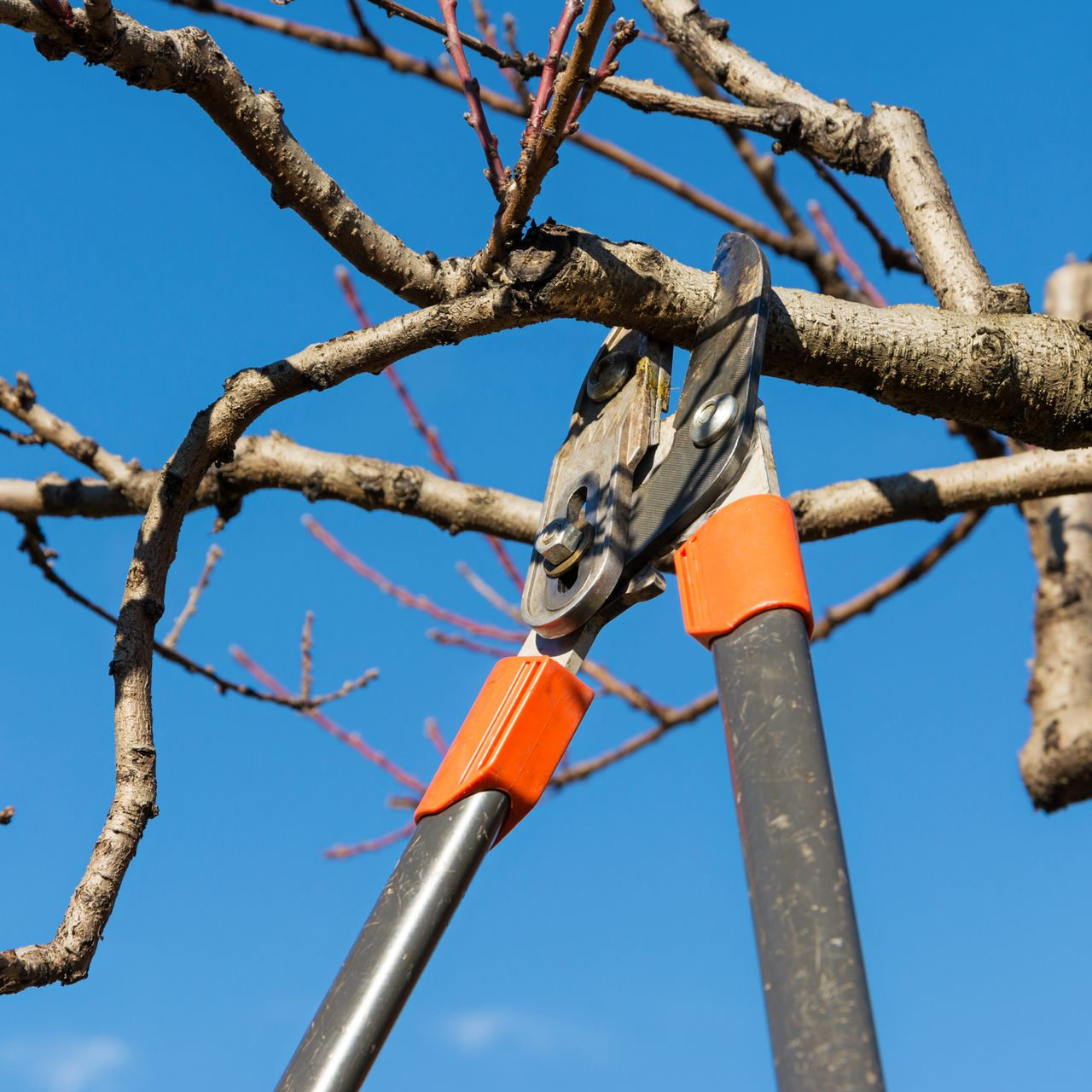
Tree-trimming pruning sheers trimming a tree limb to prevent damage
June 30, 2026
Kansas City is no stranger to strong thunderstorms, high winds, heavy rain, and even the occasional ice storm. While we can't control the weather, we can take steps to reduce the risk of property damage before severe weather rolls in. One of the best ways to protect your home is with regular tree trimming. Overgrown or damaged trees are one of the leading causes of storm-related property damage. Branches that seem perfectly healthy on a calm day can quickly become dangerous when exposed to strong wind or heavy rain. Here are five signs it's time to have your trees professionally trimmed before the next Kansas City storm. 1. You Notice Dead or Dying Branches Dead limbs are often the first branches to break during a storm. Because they are dry and brittle, they can't flex with the wind as healthy branches can. Look for signs such as: Branches with no leaves during the growing season Peeling or missing bark Large cracks Brittle wood that snaps easily Removing dead limbs before severe weather greatly reduces the chances of them falling onto your roof, vehicles, fences, or landscaping. 2. Branches Are Hanging Over Your Roof or Driveway Large limbs extending over your home may look beautiful, but they can become a major liability during high winds. Even healthy branches can break under enough stress, potentially causing damage to: Roofing Gutters Windows Vehicles Decks and patios Trimming these limbs before storm season is much less expensive than repairing storm damage afterward. 3. Your Tree Has Thick, Overgrown Growth A tree with an overly dense canopy catches much more wind than one that has been properly maintained. Professional tree trimming helps: Reduce wind resistance Improve airflow through the canopy Remove crossing branches Encourage healthier future growth A properly trimmed tree is generally better equipped to withstand Kansas City's unpredictable weather. 4. Branches Are Touching Your Home or Growing Too Close Tree branches should never rub against your roof, siding, gutters, or windows. Constant contact can: Scratch siding Wear down roofing materials Provide pests with easy access to your home Increase the risk of broken windows during storms If branches are already making contact with your house, it's time to schedule a trimming. 5. It's Been Several Years Since Your Last Tree Trimming Many homeowners don't think about tree maintenance until after a storm causes damage. Most mature trees benefit from periodic trimming to remove dead wood, improve structure, and maintain safe clearances. If you can't remember the last time your trees were professionally evaluated, now is an excellent time. Preventative maintenance is almost always more affordable than emergency cleanup after severe weather. Why Professional Tree Trimming Matters Tree trimming is about much more than appearance. Proper pruning techniques help maintain the long-term health of your trees while reducing potential hazards around your property. Improper cuts can weaken a tree, encourage disease, or create unstable growth that becomes even more dangerous during future storms. That's why professional trimming is an investment in both safety and the health of your landscape. Protect Your Property Before the Next Storm Kansas City storms can arrive with little warning, but your trees don't have to become a hazard. By removing dead limbs, thinning overgrown canopies, and trimming branches away from your home, you can greatly reduce the risk of costly damage.  At Quality Lawn & Landscape Bros ., we provide professional tree trimming services throughout the Kansas City area. Whether you have a single tree that needs attention or several mature trees on your property, our experienced team can help keep your landscape healthy, beautiful, and storm-ready. Contact Quality Lawn & Landscape Bros. today to schedule a tree trimming estimate and give yourself peace of mind before the next Kansas City storm arrives.
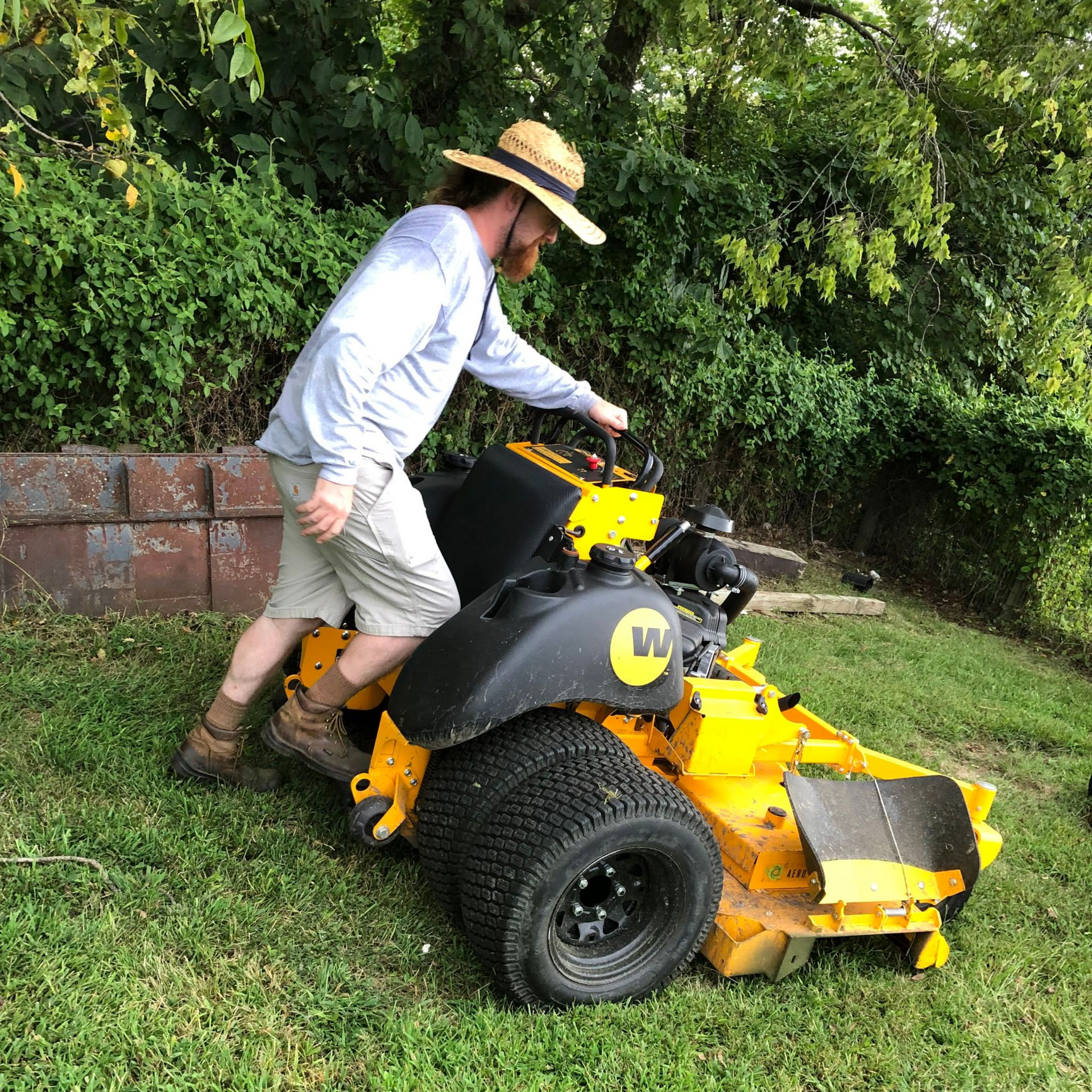
Quality lawn care in kansas city yellow lawn mower with man riding
May 8, 2026
As the temperatures rise and spring settles into Kansas City, May becomes one of the most critical months for maintaining a healthy, green lawn. What homeowners do during this month can determine how their yard looks not only through summer, but for the rest of the year as well. After a long Midwest winter and unpredictable spring weather, your lawn is entering its peak growing season. Proper care in May helps strengthen grass roots, prevent weeds, improve curb appeal, and prepare your yard for the intense Kansas City summer heat that’s just around the corner. Here’s why May matters so much for lawn care — and what homeowners should focus on this time of year. 1. Grass Growth Is at Its Peak Cool-season grasses common in Kansas City, such as tall fescue and Kentucky bluegrass, grow aggressively in May due to warmer temperatures and increased rainfall. This rapid growth means lawns need consistent mowing and maintenance to stay healthy. Letting your grass grow too long before mowing can stress the lawn, create uneven patches, and encourage disease. Keeping a regular mowing schedule during May helps: Promote thicker grass growth Improve overall appearance Reduce weed growth Keep your lawn healthier heading into summer 2. Weeds Begin Taking Over Quickly May is also prime time for weeds in Kansas City lawns. Dandelions, clover, crabgrass, and broadleaf weeds begin spreading rapidly as temperatures climb. If weeds aren’t addressed early, they can quickly take over and compete with healthy grass for nutrients and water. Professional weed control treatments during May can: Prevent aggressive weed spread Improve lawn thickness Protect root systems Keep your yard looking clean and maintained The earlier weeds are treated, the easier they are to control throughout the rest of the season. 3. Your Lawn Needs Nutrients After Winter After surviving winter dormancy, lawns are often depleted of nutrients by the time spring arrives. May is an ideal time to apply fertilizer treatments that encourage: Strong root development Rich green color Healthier growth Better drought resistance during summer Without proper nutrients, lawns can become thin, weak, and vulnerable to stress once the hotter Kansas City temperatures arrive. 4. Moisture Management Becomes Important Spring rain may make it seem like your lawn is getting plenty of water, but inconsistent weather patterns in Missouri can quickly create problems. Too much moisture can lead to fungus and disease, while not enough watering during warmer stretches can weaken grass before summer even begins. During May, homeowners should begin monitoring: Drainage issues Dry spots Early signs of lawn disease Irrigation effectiveness A healthy watering routine established now can help your lawn survive the summer months much more effectively. 5. Small Problems Become Big Problems by Summer One of the biggest reasons May is so important for lawn care is simple: small issues become much harder to fix once summer heat arrives. Thin grass, compacted soil, weeds, and poor mowing habits may seem minor in spring, but they often turn into brown patches, dead spots, and expensive lawn repairs during July and August. Preventative maintenance in May helps avoid: Heat stress Lawn disease Weed infestations Bare patches Excessive lawn damage Being proactive now saves homeowners time, money, and frustration later in the season. Trust Quality Lawn and Landscape Bros. This Spring At Quality Lawn and Landscape Bros. , we help homeowners throughout the Kansas City area keep their lawns healthy, green, and looking their best all season long. From mowing and fertilization to weed control and full-service lawn care, our team is here to make sure your yard is prepared for everything a Midwest summer can bring. If your lawn needs attention this spring, now is the perfect time to get started before the summer heat arrives.
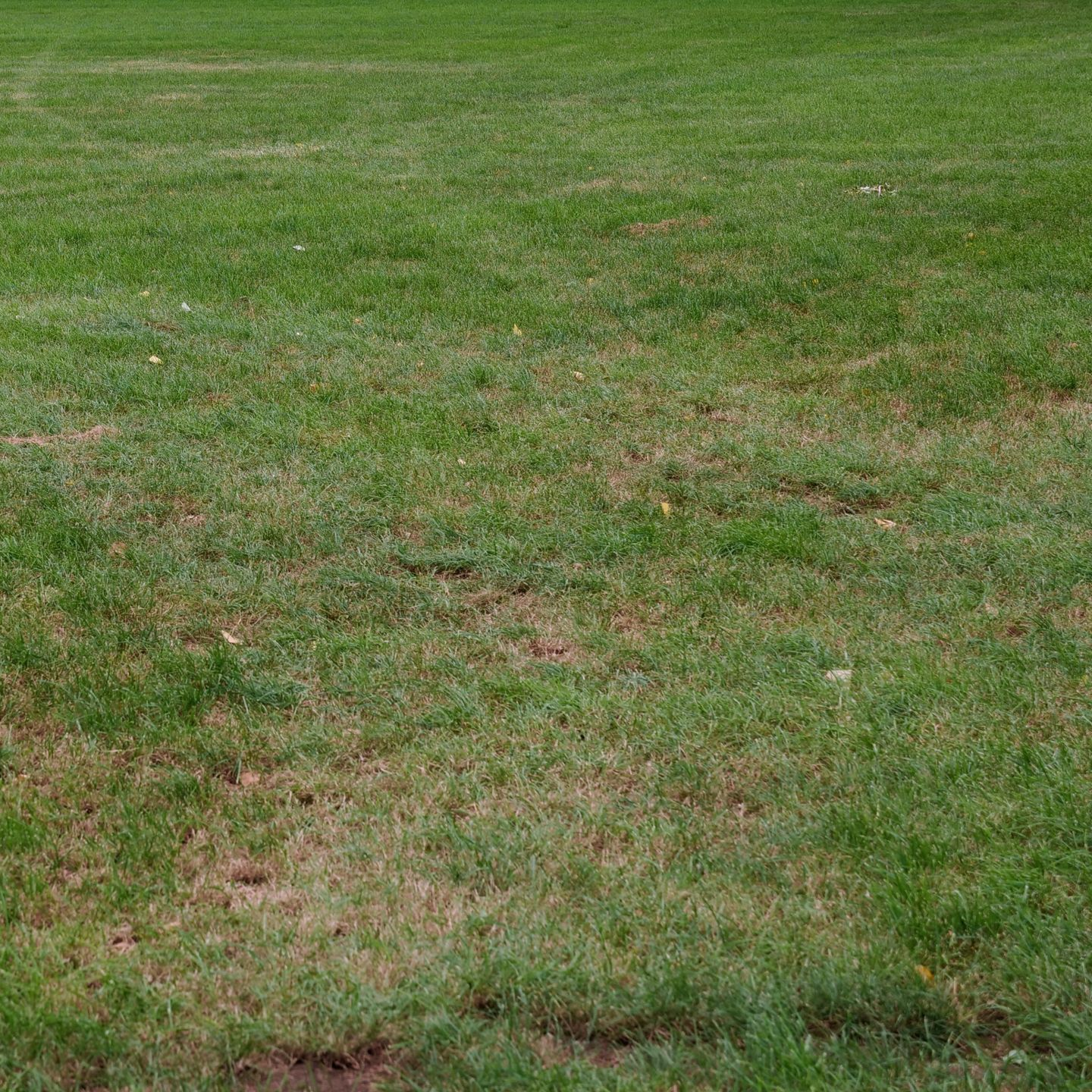
A grassy lawn with patches of thin, brown grass that needs lawn care
April 3, 2026
If you’ve noticed bare patches appearing in your lawn, you’re not alone. Many homeowners across Kansas City, MO deal with thin or patchy grass throughout the year. Bare spots can make an otherwise healthy yard look neglected, but the good news is that the problem is usually fixable once you identify the cause.  Below are some of the most common reasons lawns in Kansas City develop bare spots — and what you can do to repair them.
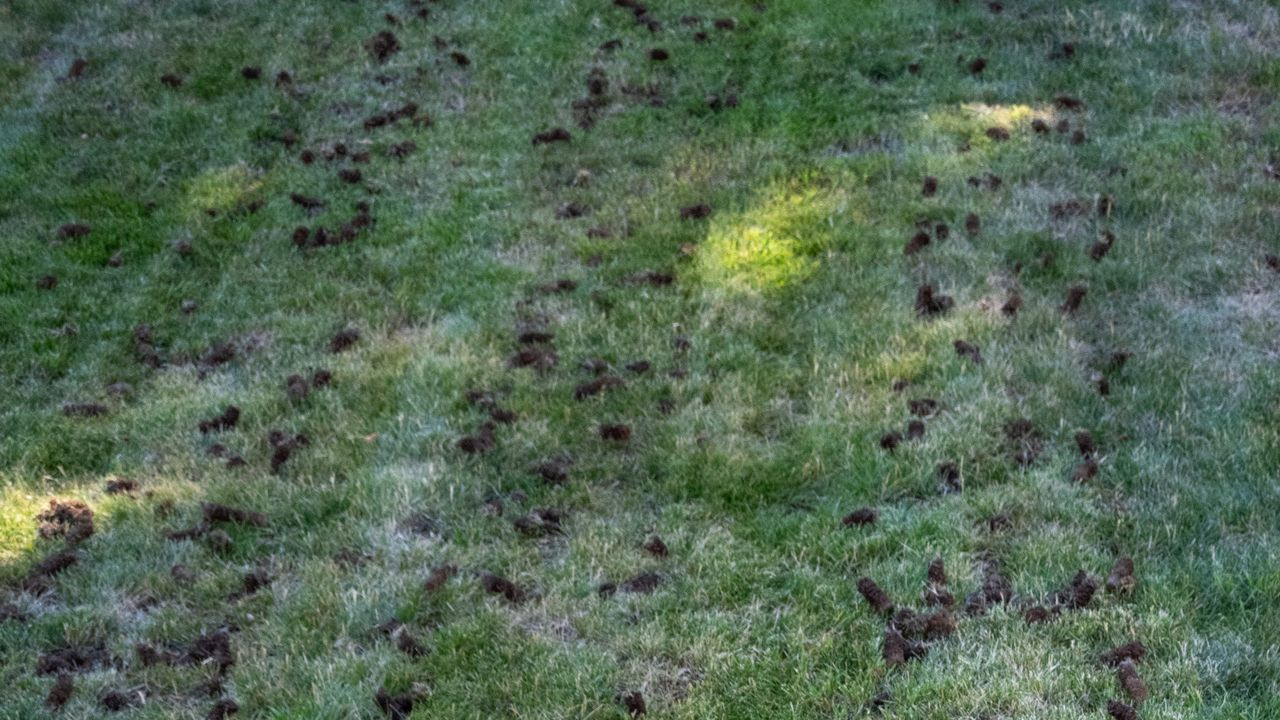
Quality lawn aeration in Kansas City
March 6, 2026
After a long Midwest winter, many Kansas City lawns struggle to bounce back once spring arrives. Snow, freezing temperatures, and heavy foot traffic can leave soil compacted and grass roots struggling to grow. One of the best ways to restore your lawn’s health is through lawn aeration. Aeration allows air, water, and nutrients to reach the root system more easily, helping your grass grow thicker and healthier throughout the season. But how do you know when your lawn actually needs it? Here are five signs your Kansas City lawn may need aeration this spring.
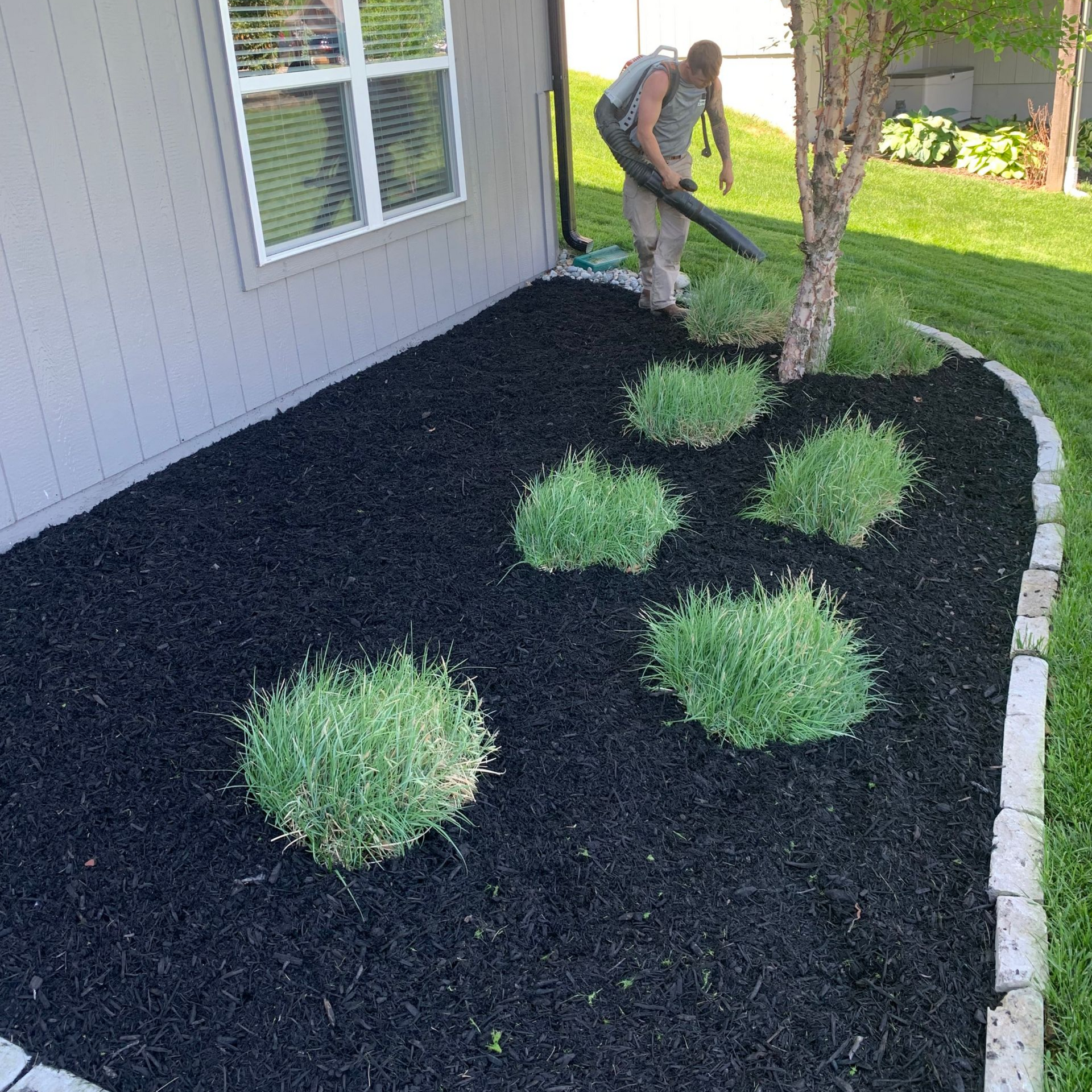
Person using leaf blower on a landscaped bed with dark mulch and green plants next to a house.
February 6, 2026
Full-service lawn care is about creating a healthy, attractive yard that thrives all season long.
Landscaping and gardening images arranged in a honeycomb pattern, featuring mulch, trees, and construction equipment.
December 16, 2025
Learn the difference between lawn mowing and full-service lawn care in Kansas City—and which option is best for a healthier lawn.
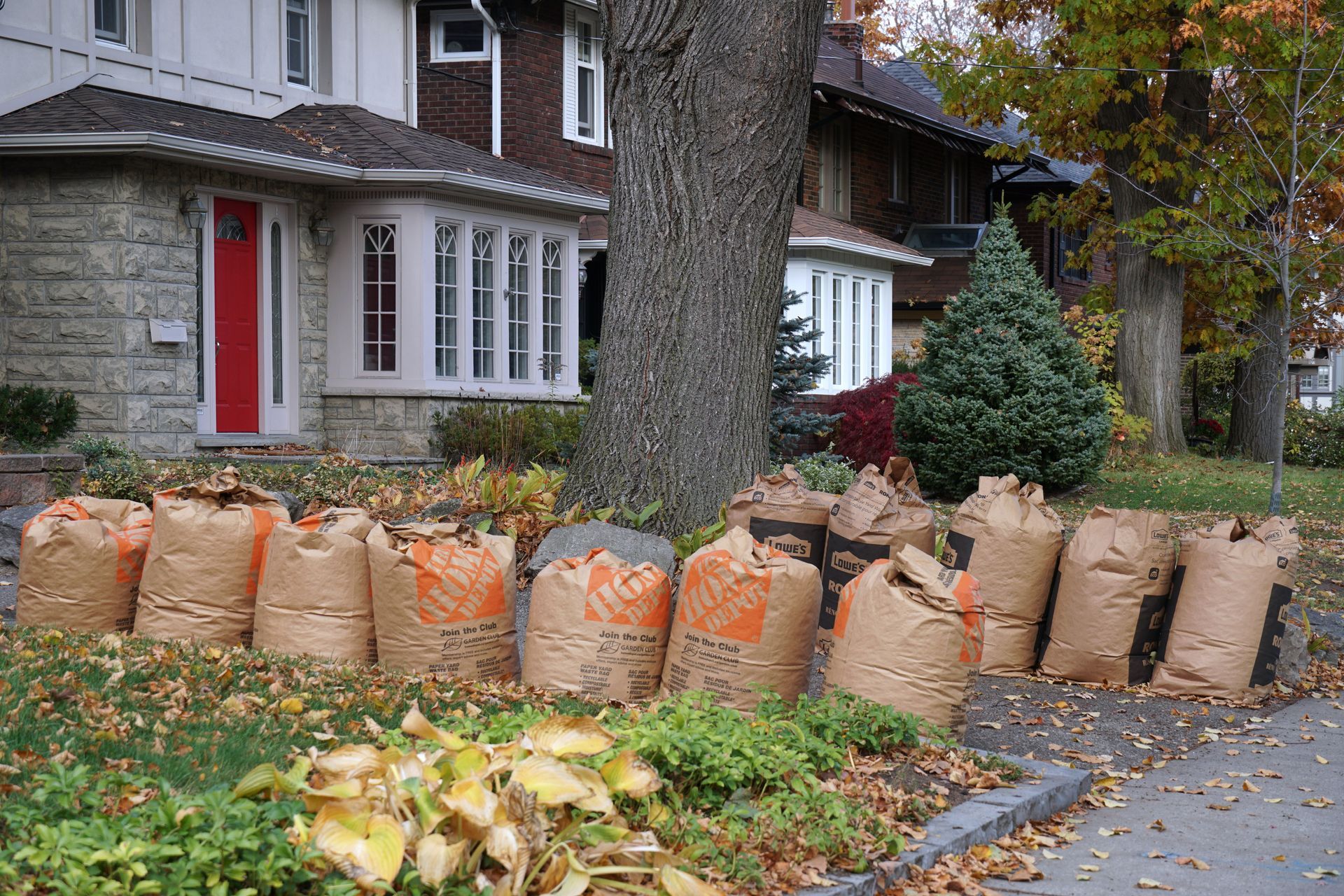
Brown paper leaf bags lined up on a residential lawn, in front of houses with fall foliage.
October 26, 2025
As fall settles over Kansas City, the trees show off their colors — and your lawn shows off their leftovers. Every homeowner faces the same question: what’s the best way to deal with all these leaves? Should you bag them, mulch them, or blow them away? Let’s break down each method so you can choose what’s right for your yard (and your weekend plans).
A close up of a patio and concrete pavers with a lot of grass on it.
July 25, 2025
At Quality Lawn & Landscape Bros. in Kansas City, MO, we know that choosing the right pavers can make all the difference in your outdoor space. Whether you're designing a durable driveway, a stylish patio, or a natural-looking walkway, the material you select impacts aesthetics, longevity, and maintenance. Here’s a breakdown of the top five paver types we recommend for Kansas City homeowners, along with their benefits and best uses.
Certified arborist in Kansas City using professional tree-trimming equipment for safe, precise cuts
June 2, 2025
At Quality Lawn and Landscape Bros., we understand the appeal of DIY projects—saving money, learning new skills, and the satisfaction of a job well done. However, when it comes to tree removal in Kansas City, what seems like a cost-saving move can quickly turn into a financial and safety nightmare. Here’s why DIY tree removal often ends up costing more—in money, time, and risk—than hiring a professional team like ours.
A bulldozer is sitting on top of a dirt field doing some hardscaping for a landscaping project
May 2, 2025
When it comes to designing your dream outdoor space in Kansas City, MO, two key elements come into play: hardscaping and softscaping. Both are essential for creating a balanced, functional, and visually appealing landscape, but they serve different purposes. At Quality Lawn and Landscape Bros., we specialize in both, helping homeowners like you make the best choices for their yards. So, what’s the difference between hardscaping and softscaping, and how do you decide which is right for your property? Let’s break it down.