Transform Your Lawn This Fall with These Essential Care Tips

Introduction to the Importance of Fall Lawn Care

Autumn is the perfect season to prepare your lawn for the upcoming spring. Cooler temperatures and increased rainfall provide optimal conditions for tackling lawn care tasks. A well-executed fall lawn care routine can set the foundation for a lush, green lawn when the weather warms up again. In this comprehensive guide, we'll cover everything from aeration and dethatching to fertilization and mower maintenance. Let's get started on transforming your lawn this fall!


Aeration & Dethatching


Why Aerate and Dethatch?

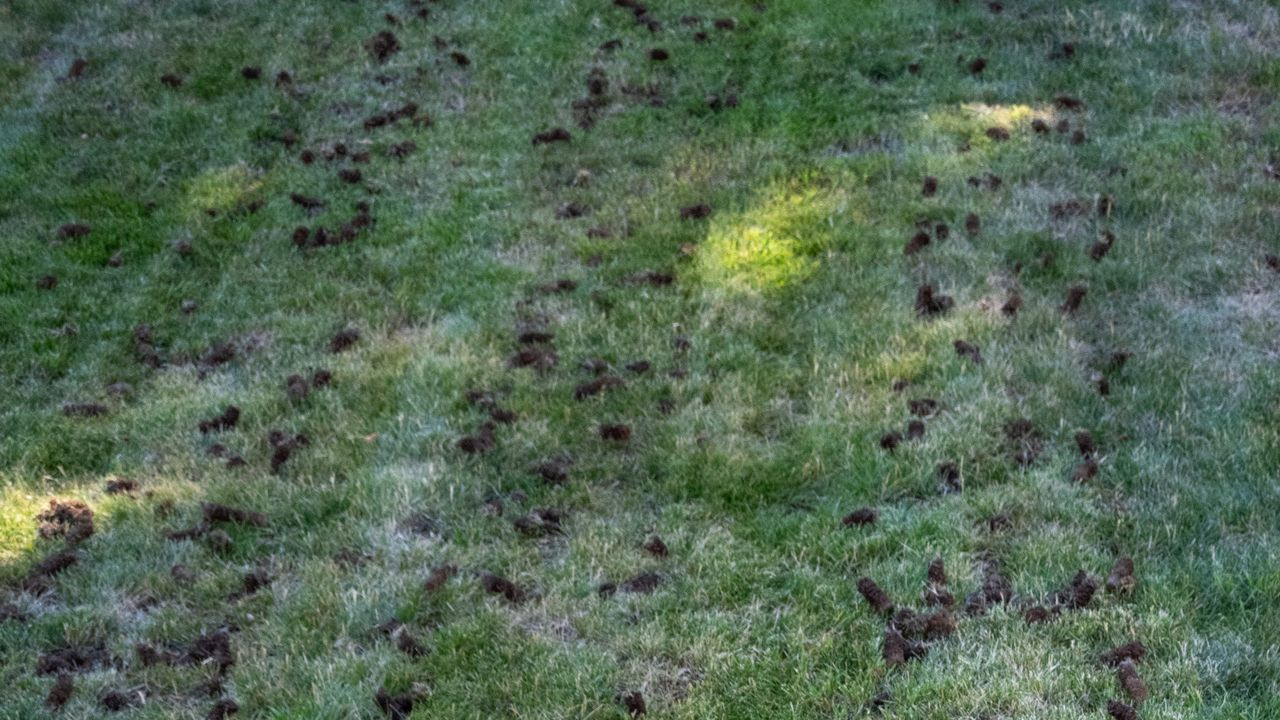
Aeration involves creating small holes in the soil to allow air, water, and nutrients to penetrate the grass roots. This process helps alleviate soil compaction and promotes healthy root growth. Dethatching, on the other hand, removes the layer of dead grass and organic debris that can suffocate your lawn, known as thatch.


When to Aerate and Dethatch

The best time to aerate and dethatch your lawn is during the early fall. This period offers ideal growing conditions for grass, making it easier for your lawn to recover from these processes. Look for a day when the soil is moist but not overly wet to ensure the best results.


How to Properly Aerate and Dethatch

To aerate your lawn, you can use a manual aerator, a spike aerator, or a plug aerator. The latter is the most effective as it removes small cores of soil. For dethatching, consider using a dethatching rake or a power dethatcher for larger lawns. Work systematically across your lawn, ensuring you cover all areas thoroughly.


Fertilization Guidelines for Fall


Choosing the Best Fertilizers

Selecting the right fertilizer is crucial for providing your lawn with the nutrients it needs to thrive. Look for a balanced fertilizer with a higher potassium content to strengthen grass roots and improve resistance to diseases and cold weather. Brands like Scotts and Milorganite offer excellent fall lawn fertilizers.


Application Schedules

Apply fertilizer in early to mid-fall, allowing your lawn ample time to absorb the nutrients before winter sets in. Follow the recommended application rates on the fertilizer packaging to avoid over-fertilization, which can harm your lawn.


Methods for a Nourished Lawn

Use a broadcast spreader for even distribution of fertilizer across your lawn. Water your lawn lightly after fertilization to help the nutrients penetrate the soil. This practice will ensure your grass absorbs the fertilizer effectively, leading to a healthier lawn.


Overseeding Techniques


Benefits of Overseeding

Overseeding involves spreading grass seed over your existing lawn to fill in bare spots, improve lawn density, and enhance overall appearance. This process can help your lawn recover from summer stress and prepare it for a robust growth phase in the spring.


Best Grass Types for Overseeding

Choose grass types that are well-suited to your region and climate. For cool-season grasses, consider Kentucky bluegrass, perennial ryegrass, or fine fescue. Warm-season grasses, such as Bermuda or Zoysia, may also be appropriate depending on your location.


How to Overseed Effectively

Begin by mowing your lawn to a shorter height and raking away any debris. Use a broadcast spreader to evenly distribute the grass seed across your lawn. Lightly water the area daily until the new grass begins to germinate. Avoid heavy foot traffic on the newly seeded lawn to allow the seeds to establish properly.


Weed Control Strategies


Identifying Common Fall Weeds

Common fall weeds include dandelions, chickweed, and henbit. These weeds can compete with your grass for nutrients and water, making it essential to address them promptly.


Controlling Fall Weeds

Apply a selective herbicide designed for broadleaf weeds to target these unwanted plants without harming your grass. For organic options, consider using corn gluten meal or a homemade vinegar-based weed killer.


Preventing Future Weed Growth

Maintaining a healthy, dense lawn is the best defense against weeds. Regular mowing, proper fertilization, and overseeding can help create a robust lawn that crowds out weeds and reduces their ability to establish themselves.


Mower Maintenance for Winter


Preparing Your Mower for Storage

Before storing your lawn mower for the winter, clean it thoroughly to remove grass clippings, dirt, and debris. This practice will prevent rust and ensure your mower is in good condition for the next season.


Winterizing Your Mower

Change the oil, replace the air filter, and add a fuel stabilizer to the gas tank to protect your mower's engine during the winter months. Sharpen the blades to ensure a clean cut when you resume mowing in the spring.


Storing Your Mower Properly

Store your mower in a dry, sheltered location to protect it from the elements. Cover it with a tarp or use a mower cover to keep dust and moisture at bay. Regular maintenance and proper storage will extend the life of your mower and keep it running smoothly.


Conclusion

Fall lawn care is essential for ensuring a healthy, vibrant lawn come spring. By following these guidelines for aeration, dethatching, fertilization, overseeding, weed control, and mower maintenance, you'll set the stage for a beautiful lawn that will be the envy of your neighbors. Don't wait—start your fall lawn care routine today and enjoy the benefits of a well-maintained lawn.


If you need professional assistance, call Quality Lawn and Landscape Bros. in Kansas City, MO at (816) 323-8173. Our experts are here to help you achieve the lawn of your dreams.
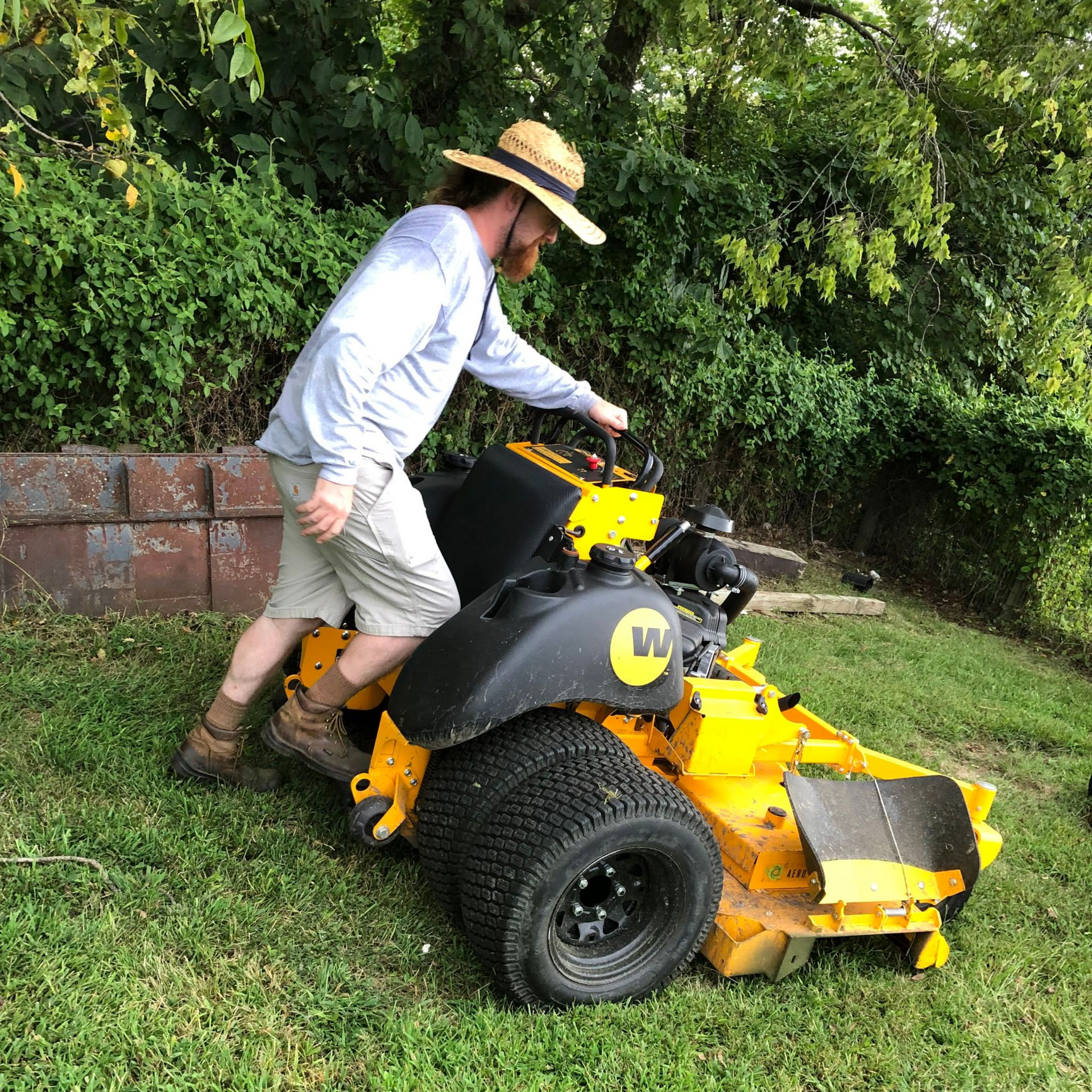
Quality lawn care in kansas city yellow lawn mower with man riding
May 8, 2026
As the temperatures rise and spring settles into Kansas City, May becomes one of the most critical months for maintaining a healthy, green lawn. What homeowners do during this month can determine how their yard looks not only through summer, but for the rest of the year as well. After a long Midwest winter and unpredictable spring weather, your lawn is entering its peak growing season. Proper care in May helps strengthen grass roots, prevent weeds, improve curb appeal, and prepare your yard for the intense Kansas City summer heat that’s just around the corner. Here’s why May matters so much for lawn care — and what homeowners should focus on this time of year. 1. Grass Growth Is at Its Peak Cool-season grasses common in Kansas City, such as tall fescue and Kentucky bluegrass, grow aggressively in May due to warmer temperatures and increased rainfall. This rapid growth means lawns need consistent mowing and maintenance to stay healthy. Letting your grass grow too long before mowing can stress the lawn, create uneven patches, and encourage disease. Keeping a regular mowing schedule during May helps: Promote thicker grass growth Improve overall appearance Reduce weed growth Keep your lawn healthier heading into summer 2. Weeds Begin Taking Over Quickly May is also prime time for weeds in Kansas City lawns. Dandelions, clover, crabgrass, and broadleaf weeds begin spreading rapidly as temperatures climb. If weeds aren’t addressed early, they can quickly take over and compete with healthy grass for nutrients and water. Professional weed control treatments during May can: Prevent aggressive weed spread Improve lawn thickness Protect root systems Keep your yard looking clean and maintained The earlier weeds are treated, the easier they are to control throughout the rest of the season. 3. Your Lawn Needs Nutrients After Winter After surviving winter dormancy, lawns are often depleted of nutrients by the time spring arrives. May is an ideal time to apply fertilizer treatments that encourage: Strong root development Rich green color Healthier growth Better drought resistance during summer Without proper nutrients, lawns can become thin, weak, and vulnerable to stress once the hotter Kansas City temperatures arrive. 4. Moisture Management Becomes Important Spring rain may make it seem like your lawn is getting plenty of water, but inconsistent weather patterns in Missouri can quickly create problems. Too much moisture can lead to fungus and disease, while not enough watering during warmer stretches can weaken grass before summer even begins. During May, homeowners should begin monitoring: Drainage issues Dry spots Early signs of lawn disease Irrigation effectiveness A healthy watering routine established now can help your lawn survive the summer months much more effectively. 5. Small Problems Become Big Problems by Summer One of the biggest reasons May is so important for lawn care is simple: small issues become much harder to fix once summer heat arrives. Thin grass, compacted soil, weeds, and poor mowing habits may seem minor in spring, but they often turn into brown patches, dead spots, and expensive lawn repairs during July and August. Preventative maintenance in May helps avoid: Heat stress Lawn disease Weed infestations Bare patches Excessive lawn damage Being proactive now saves homeowners time, money, and frustration later in the season. Trust Quality Lawn and Landscape Bros. This Spring At Quality Lawn and Landscape Bros. , we help homeowners throughout the Kansas City area keep their lawns healthy, green, and looking their best all season long. From mowing and fertilization to weed control and full-service lawn care, our team is here to make sure your yard is prepared for everything a Midwest summer can bring. If your lawn needs attention this spring, now is the perfect time to get started before the summer heat arrives.
A grassy lawn with patches of thin, brown grass that needs lawn care
April 3, 2026
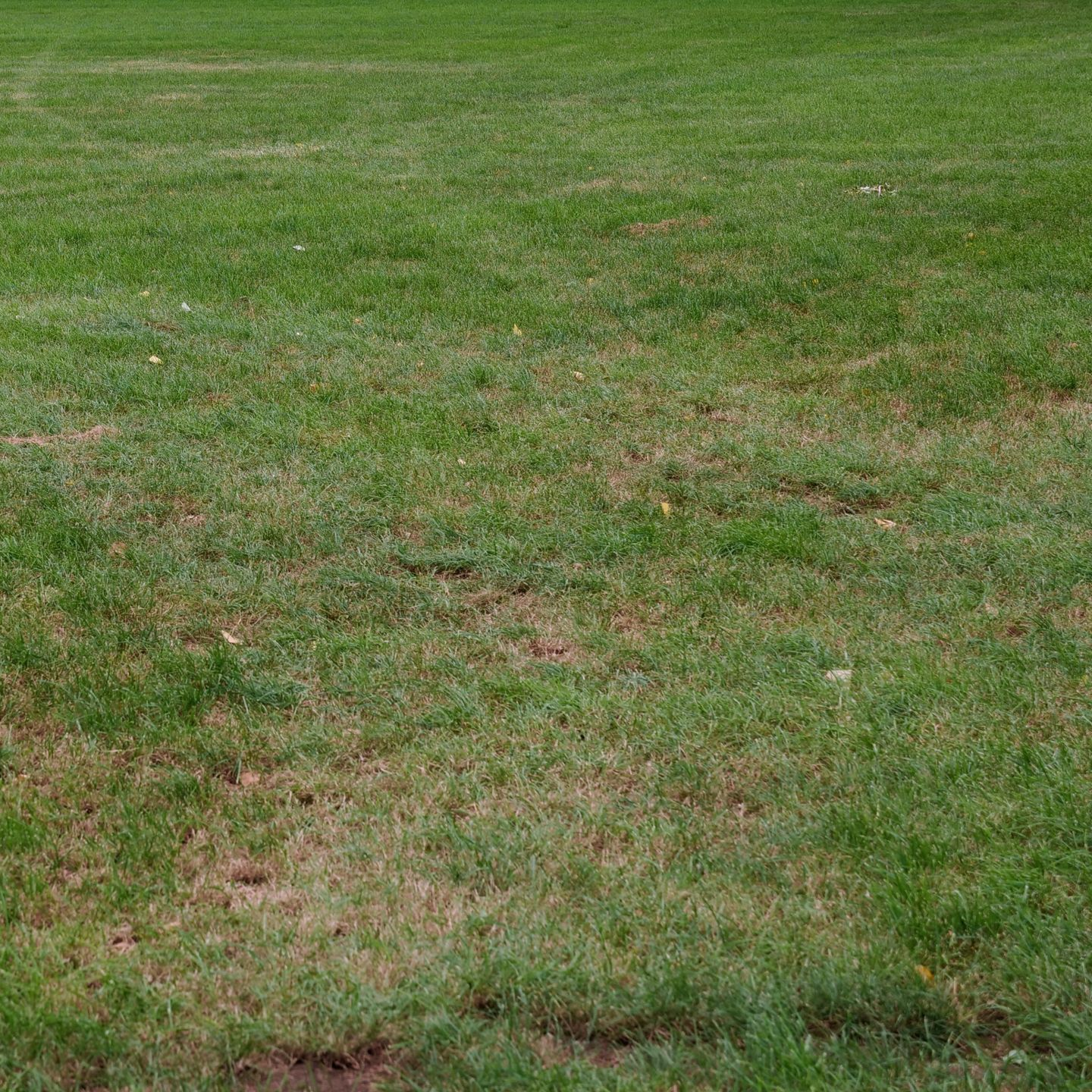
If you’ve noticed bare patches appearing in your lawn, you’re not alone. Many homeowners across Kansas City, MO deal with thin or patchy grass throughout the year. Bare spots can make an otherwise healthy yard look neglected, but the good news is that the problem is usually fixable once you identify the cause.  Below are some of the most common reasons lawns in Kansas City develop bare spots — and what you can do to repair them.
Quality lawn aeration in Kansas City
March 6, 2026
After a long Midwest winter, many Kansas City lawns struggle to bounce back once spring arrives. Snow, freezing temperatures, and heavy foot traffic can leave soil compacted and grass roots struggling to grow. One of the best ways to restore your lawn’s health is through lawn aeration. Aeration allows air, water, and nutrients to reach the root system more easily, helping your grass grow thicker and healthier throughout the season. But how do you know when your lawn actually needs it? Here are five signs your Kansas City lawn may need aeration this spring.
Person using leaf blower on a landscaped bed with dark mulch and green plants next to a house.
February 6, 2026
Full-service lawn care is about creating a healthy, attractive yard that thrives all season long.
Landscaping and gardening images arranged in a honeycomb pattern, featuring mulch, trees, and construction equipment.
December 16, 2025
Learn the difference between lawn mowing and full-service lawn care in Kansas City—and which option is best for a healthier lawn.
Brown paper leaf bags lined up on a residential lawn, in front of houses with fall foliage.
October 26, 2025
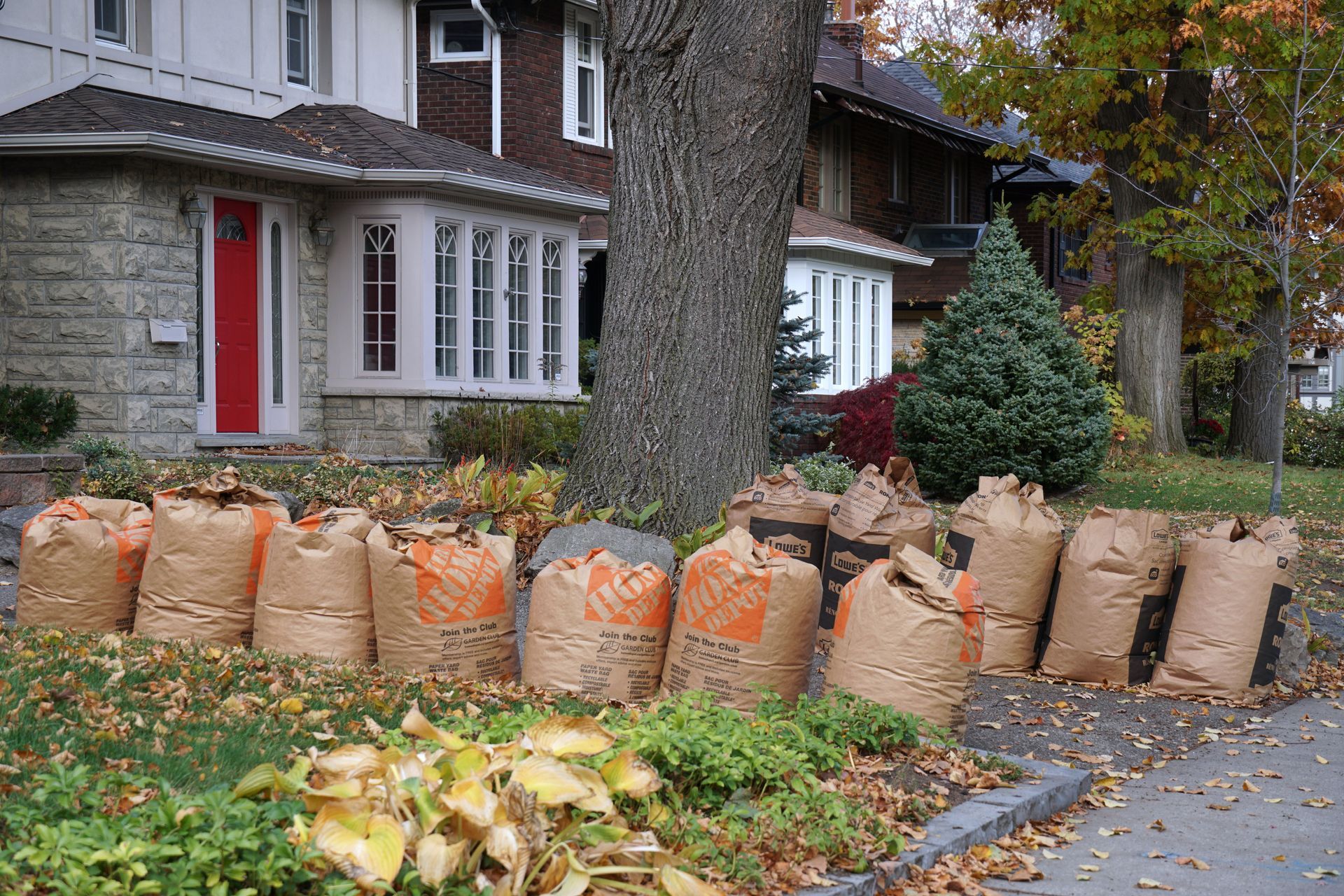
As fall settles over Kansas City, the trees show off their colors — and your lawn shows off their leftovers. Every homeowner faces the same question: what’s the best way to deal with all these leaves? Should you bag them, mulch them, or blow them away? Let’s break down each method so you can choose what’s right for your yard (and your weekend plans).
A close up of a patio and concrete pavers with a lot of grass on it.
July 25, 2025
At Quality Lawn & Landscape Bros. in Kansas City, MO, we know that choosing the right pavers can make all the difference in your outdoor space. Whether you're designing a durable driveway, a stylish patio, or a natural-looking walkway, the material you select impacts aesthetics, longevity, and maintenance. Here’s a breakdown of the top five paver types we recommend for Kansas City homeowners, along with their benefits and best uses.
Certified arborist in Kansas City using professional tree-trimming equipment for safe, precise cuts
June 2, 2025
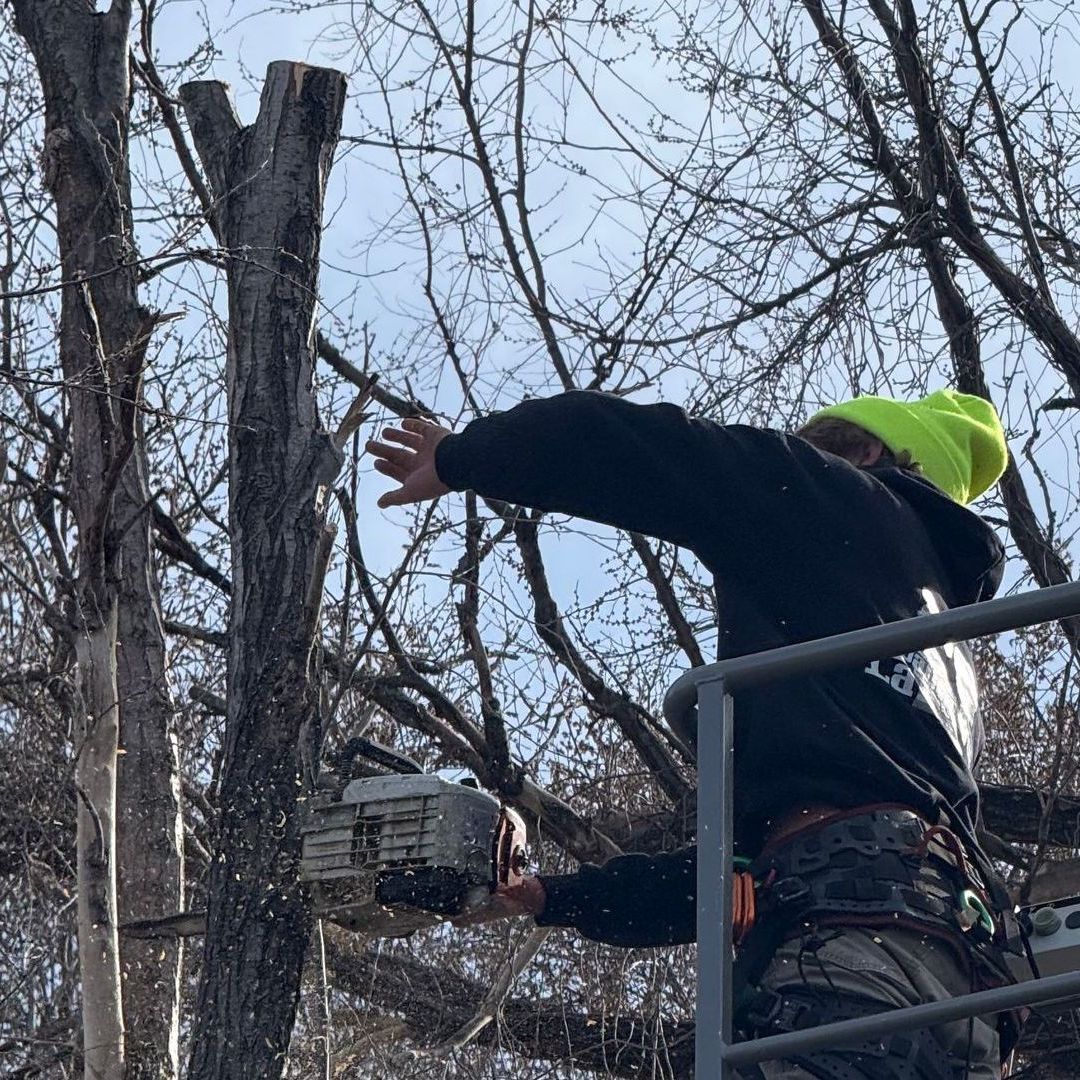
At Quality Lawn and Landscape Bros., we understand the appeal of DIY projects—saving money, learning new skills, and the satisfaction of a job well done. However, when it comes to tree removal in Kansas City, what seems like a cost-saving move can quickly turn into a financial and safety nightmare. Here’s why DIY tree removal often ends up costing more—in money, time, and risk—than hiring a professional team like ours.
A bulldozer is sitting on top of a dirt field doing some hardscaping for a landscaping project
May 2, 2025
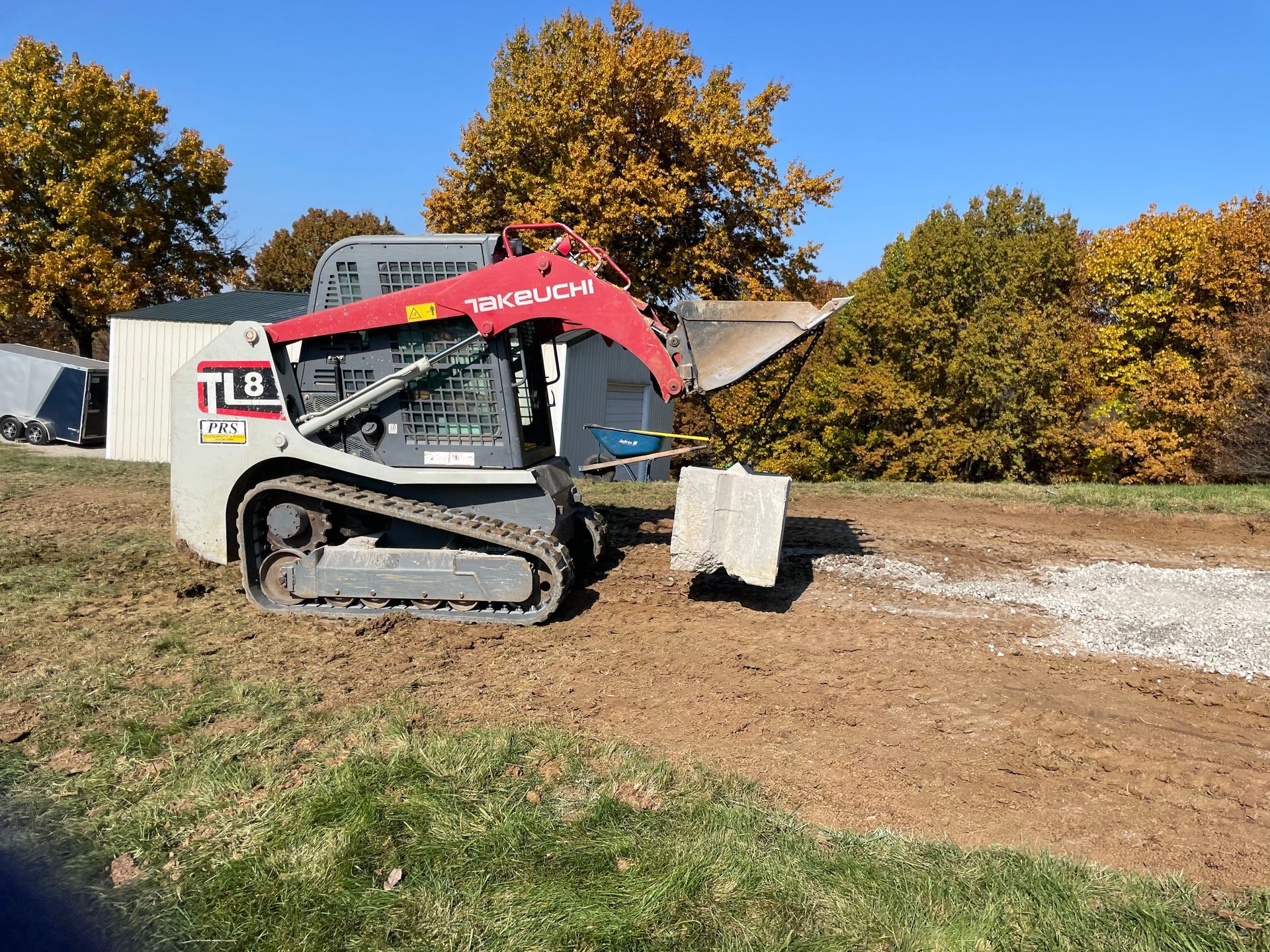
When it comes to designing your dream outdoor space in Kansas City, MO, two key elements come into play: hardscaping and softscaping. Both are essential for creating a balanced, functional, and visually appealing landscape, but they serve different purposes. At Quality Lawn and Landscape Bros., we specialize in both, helping homeowners like you make the best choices for their yards. So, what’s the difference between hardscaping and softscaping, and how do you decide which is right for your property? Let’s break it down.
Freshly black mulched landscaping in kansas city missouri
March 7, 2025
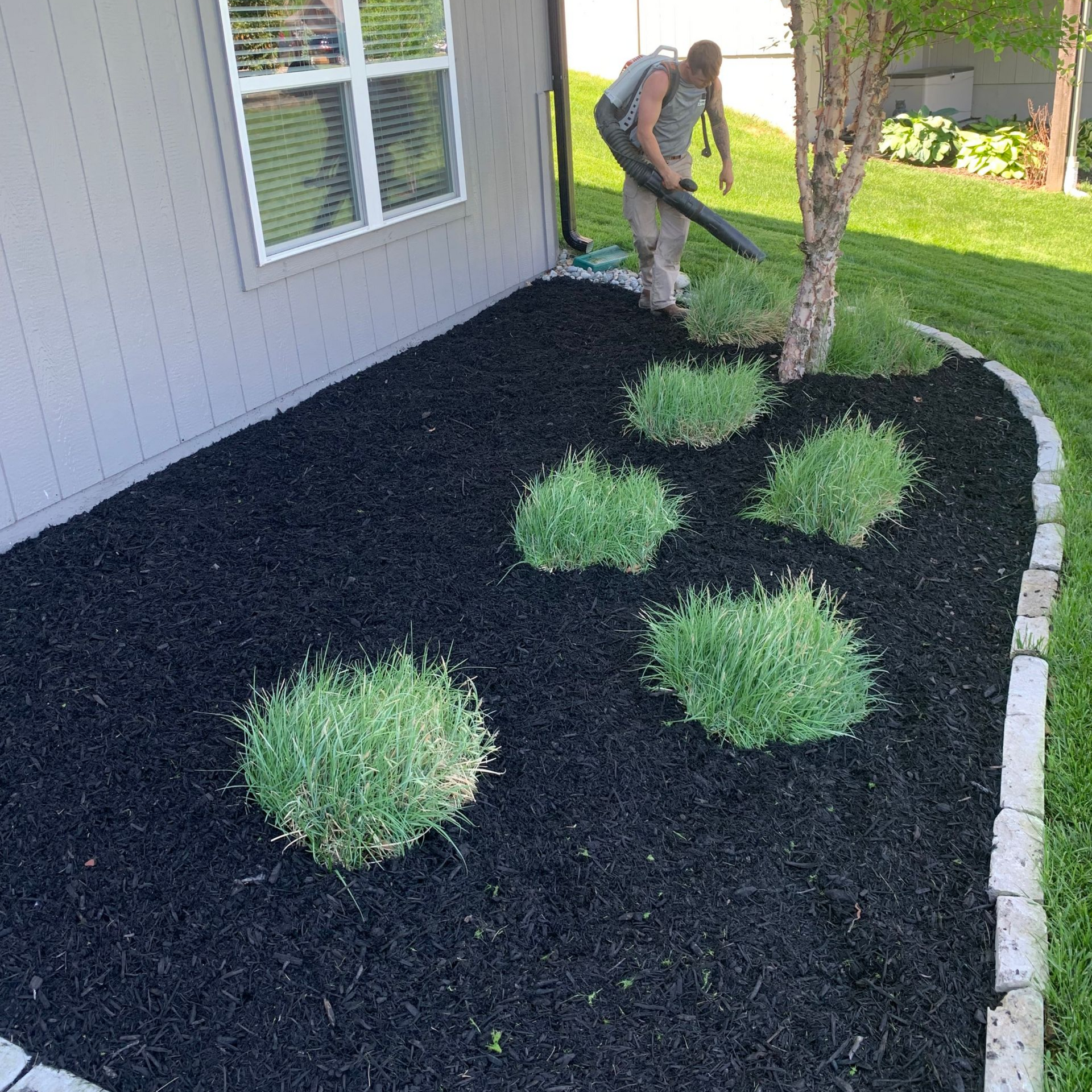
When it comes to maintaining a healthy and beautiful yard in Kansas City, mulching is one of the most effective and affordable solutions. At Quality Lawn and Landscape Bros, we know that mulching isn’t just about aesthetics—it’s a game-changer for your lawn’s health and longevity. Whether you’re a seasoned gardener or a first-time homeowner, here are the top 5 benefits of mulching and answers to some common questions like "how often should you mulch your lawn?" and "what is the best color mulch for landscaping?" 1. Retains Moisture and Regulates Soil Temperature Kansas City summers are known for being hot and humid, which can put stress on your lawn and plants. While the humidity might seem like it’s helping, it often leads to uneven moisture distribution and soil that dries out quickly in the sun. Mulch acts as a protective barrier, locking in moisture and ensuring your plants stay hydrated even during the hottest days. Organic mulch options for lawns, such as wood chips or shredded bark, are especially effective at retaining moisture while also improving soil quality over time. Plus, mulch helps regulate soil temperature, keeping roots cooler in the summer heat and reducing stress on your plants. 2. Suppresses Weeds Tired of battling weeds in your flower beds and around your trees? Mulching is a natural and effective way to prevent weeds from taking over. By blocking sunlight, mulch stops weed seeds from germinating. For best results, spread mulch evenly at a depth of 2–4 inches. Pro tip: "How often should you mulch your lawn?" Typically, refreshing your mulch once a year is enough to keep weeds at bay and maintain its benefits. 3. Enhances Curb Appeal Mulch isn’t just functional—it’s also a fantastic way to boost your home’s curb appeal. A fresh layer of mulch gives your yard a polished, well-maintained look. But "what is the best color mulch for landscaping ?" In Kansas City, darker mulches like black or brown are popular because they contrast beautifully with green plants and flowers. However, red mulch can add a vibrant pop of color to your landscape. 4. Protects Plant Roots Mulching around trees and shrubs is essential for protecting their roots from extreme temperatures. In the winter, mulch acts as an insulator, keeping roots warm during freezing weather. In the summer, it keeps the soil cool and prevents root stress. Plus, mulch helps prevent soil erosion, ensuring your plants stay firmly rooted and healthy. 5. Improves Soil Health Over time, organic mulch breaks down and enriches the soil with nutrients. This natural process improves soil structure, promotes microbial activity, and encourages healthy plant growth. If you’re looking for organic mulch options for lawns, consider materials like compost, straw, or grass clippings. These options are eco-friendly and provide long-term benefits for your yard. Mulching Tips from the Pros At Quality Lawn and Landscape Bros, we want your mulching experience to be seamless. Here are a few expert tips: How to spread mulch evenly: Use a rake or shovel to distribute mulch evenly across your yard. Avoid piling it too high around plant stems or tree trunks, as this can cause rot. Mulching around trees and shrubs: Create a donut-shaped mulch ring around the base of trees and shrubs, leaving a small gap to prevent moisture buildup. Refresh annually: As mentioned earlier, refreshing your mulch once a year ensures it continues to provide maximum benefits. Ready to Transform Your Yard? Mulching is a simple yet powerful way to enhance your Kansas City yard’s health, beauty, and sustainability. Whether you’re tackling the project yourself or need professional help, Quality Lawn and Landscape Bros is here to guide you every step of the way. Contact us today to learn more about our mulching services and let us help you create the yard of your dreams!